Tuesday, August 12, 2025

In Plain Sight

In Plain Sight

Player Image
Brownstone Journal
In Plain Sight

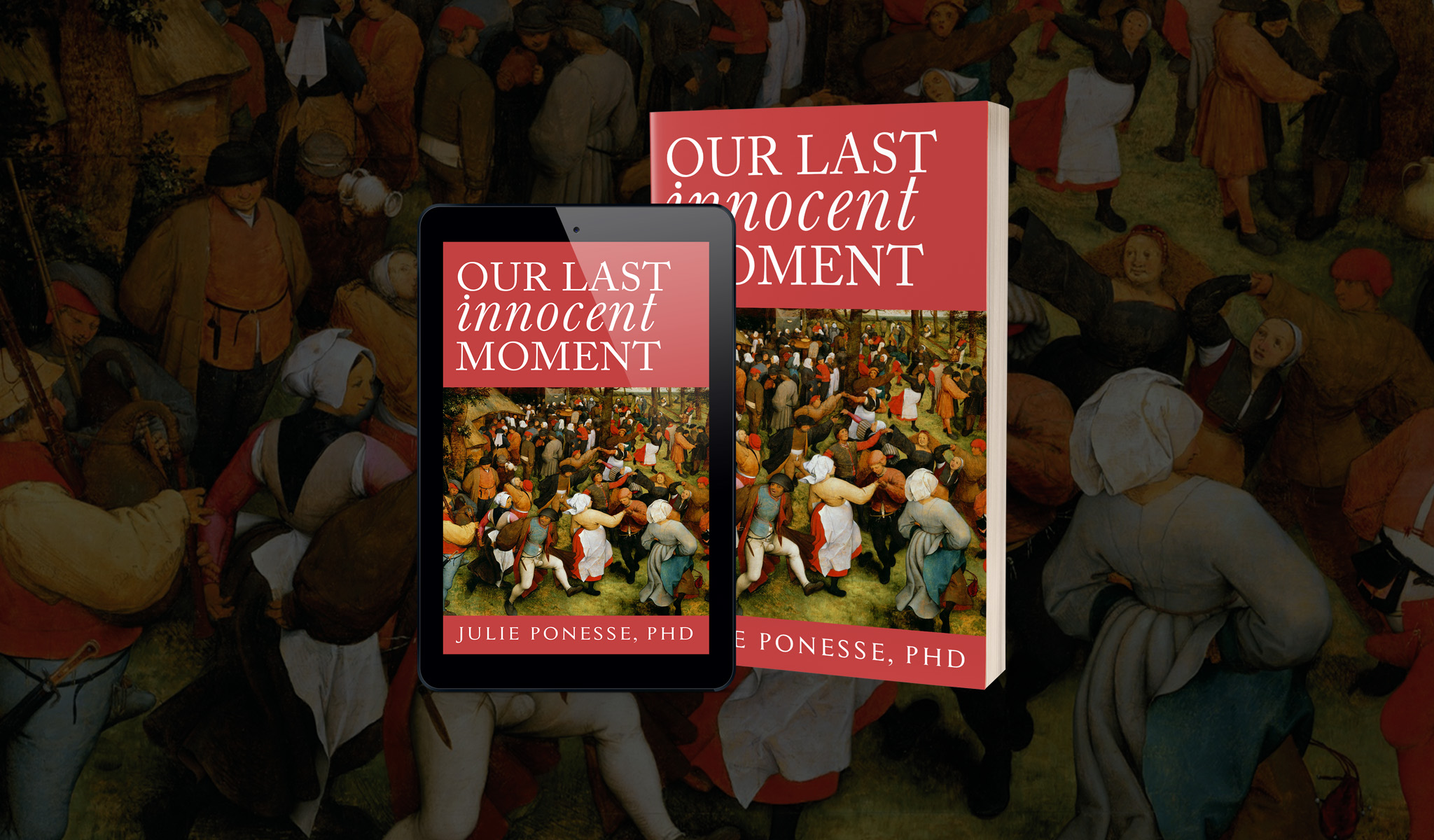
[The following is an excerpt from Julie Ponesse’s book, Our Last Innocent Moment.]

One of the things we have learned over the last three years is just how much regulatory capture factored into the Covid response, how economics turned vaccine technology into an industrial profit machine. One crucial piece of evidence for this came from the Pfizer report, released last year by the FDA as part of a US court order, containing what Naomi Wolf calls “evidence of the greatest crime against humanity in the history of our species.” 

The report shows massive incongruity between how the vaccines were marketed to the public and what Pfizer knew about them prior to their release to market. It shows:

  • Pfizer knew their gene-based injections had negative efficacy as early as November 2020 (with the third most common side effect of the vaccine being Covid, itself)
  • shortly after the vaccines came to market, Pfizer hired 2,400 full-time employees to process the adverse event reports (a stunning fact given the culture of silence that prevented so many adverse events even from being reported to, or processed by, physicians)
  • that the vaccines cause myocarditis within a week after injection
  • the shot’s lipid nanoparticles do not remain at the injection site but are quickly biodistributed throughout the body to the brain, liver, spleen, and ovaries where they may remain permanently
  • an asymmetry between the adverse events that were disclosed to the public (chills, fatigue, swelling at injection site) and those contained in the documents (haemorrhages, blood clots, neurological disorders, Bell’s palsy, Guillain-BarrĂ© syndrome)
  • there were 61 deaths from stroke, half of which took place within 48 hours of injection

These are the things Pfizer knew. These are the things Pfizer did not reveal to the public. These are the things that made us the turkeys and Pfizer, the butcher. 

It has been said that there is no historical parallel to the Covid vaccines: a vigorously marketed experimental product on a global scale, which garnered almost perfect support from policymakers. The scale of money involved is almost beyond comprehension. Pfizer’s 2023 “Annual Review” states: “2022 was a year in which we set all-time highs in several financial categories.” That year, Pfizer’s revenue was a record-setting $100.3 billion, 38% coming from the Pfizer-BioNTech vaccine.

While it’s no secret that pharmaceutical companies spend large portions of their budgets on marketing, it’s hard to think of pharmaceutical products being marketed like cars or lipstick. But they are. Perhaps even more so. In 2022, Pfizer spent $2.8 billion on marketing, a mere 2% of the revenue they earned from the Pfizer-BioNTech vaccine. But just how pharmaceutical products are marketed is a complex business.

One thing we find in the Pfizer report is a long list of donations to organizations that encouraged vaccine use, and/or directly addressed vaccine hesitancy. Pfizer couldn’t produce ads endorsing mandates — that would have been too obvious — but they could fund various lobbying groups, healthcare colleges, media, and even medical journals that promote vaccine use, address vaccine hesitancy, and support mandates. 

Among Pfizer’s charitable donations, the report lists: $200,000 to the American Academy of Paediatrics, $100,000 to the American College of Emergency Physicians for Vaccine confidence PSAs, and $337,550 to the American Lung Association’s Pneumonia Awareness Campaign. (If you want to promote the uptake of a vaccine for a respiratory virus, it makes strategic sense to advertise pneumonia as a severe side effect of Covid.)

It is also noteworthy that Pfizer is a regular contributor to universities, most of which mandated their product. When the newspapers started to report my story in the fall of 2021, the Toronto Star contacted Arthur Caplan, Director of Medical Ethics at NYU Medical Centre, for a comment. His response was “I’ve been working on vaccines for 9 years and I wouldn’t pass her in my class.” What I have since discovered is that Pfizer donated $20,000 to NYU for a program to counter misinformation about Covid-19 vaccine. Caplan’s salary is, therefore, paid by a university that received money directly from Pfizer to promote the uptake of its Covid vaccine.

We have a similar situation in Canada. In 2020, Pfizer Canada made a $600K donation to the McGill “Interdisciplinary Initiative in Infection and Immunity” (M14). M14 promotes Covid vaccine uptake and Pfizer funds M14. And “19toZero,” an “independent, non-profit organization” aimed at increasing vaccine confidence, states on their website (albeit in very fine print): “…This portal has been funded by a pharmaceutical grant provided by Moderna Canada.”

Back to the issue of perspective. What we knew, and didn’t know, during the Covid crisis about the severity of the virus, and the safety and efficacy of the technology developed to address it, was heavily influenced by the companies that stood to make the greatest financial gains from how we responded. Everything from how many companies enforced vaccine mandates to whether mothers would allow their children to play with unvaccinated friends impacted the bottom lines of companies like Pfizer and Moderna, and they seem to have acted accordingly and strategically.

But the fact that the pharmaceutical industry has been shaping health care policy through outside advocacy organizations is not a new phenomenon. Let me offer two examples of this phenomenon that existed in plain sight prior to 2020. 

Example 1: The Opioid epidemic: Conservatively, opioids caused the deaths of half a million Americans in the last 20 years. Purdue Pharma, the maker of Oxycontin, aggressively promoted its use for decades despite clear evidence of its potential for addiction and overdose. Court documents revealed that Purdue spent over $200 million on advertising and sponsored 20,000 pain “education programs” in an effort to sway physicians to prescribe more opioids. Five years after its release, OxyContin had generated an annual revenue of more than $1 billion. 

Example 2: Tamiflu: During the 2005 avian flu outbreak, Evan Morris, a former lobbyist for Genentech (the company that sells Tamiflu for Roche), reportedly paid third-party groups to generate fears about the virus and the need for the government to stockpile Tamiflu. Dozens of US Senators wrote to President George W. Bush about their concerns, and the president authorized an emergency stockpile that bought $1 billion of the antiviral medication.

These occurrences of collusion between the medical profession and the pharmaceutical industry might seem surprising but the information was hardly lurking in the shadows. In 2002, editor-in-chief of the New England Journal of Medicine Arnold Seymour Relman wrote: 

“The medical profession is being bought by the pharmaceutical industry, not only in terms of the practice of medicine but also in terms of teaching and research. The academic institutions of this country are allowing themselves to be the paid agents of the pharmaceutical industry.”

And four years before that, Dr. Matthias Rath wrote in the Journal of the American Medical Association:

“Throughout the 20th century, the pharmaceutical industry has been constructed by investors, the goal being to replace (and outlaw) effective but non-patentable natural remedies with mostly ineffective but patentable and highly profitable pharmaceutical drugs. The very nature of the pharmaceutical industry is to make money from ongoing diseases.”

In more quantitative terms, the British Medical Journal in 2017 showed that 50% of editors of the world’s most influential medical journals were receiving money from the pharmaceutical industry.

What all of this should have taught us going into 2020 is that, just because something is on the market, doesn’t mean it is safe. Just because a product is vigorously marketed or highly profitable, doesn’t mean it is safe. And just because a product is endorsed by a university or medical college, or even by the Nobel committee, doesn’t mean it is safe. On the contrary, the evidence shows that collusion between drug companies and major institutions was common long before 2020. The fact that both the severity of Covid as a virus, and the safety and effectiveness of the Covid shots were vastly overestimated should never have surprised us. They were the white swans of 21st century medicine. And they shouldn’t have shattered our innocence because it is information we should have had a clear hold on in the first place. 

Author

  • Dr. Julie Ponesse

    Dr. Julie Ponesse, 2023 Brownstone Fellow, is a professor of ethics who has taught at Ontario’s Huron University College for 20 years. She was placed on leave and banned from accessing her campus due to the vaccine mandate. She presented at the The Faith and Democracy Series on 22, 2021. Dr. Ponesse has now taken on a new role with The Democracy Fund, a registered Canadian charity aimed at advancing civil liberties, where she serves as the pandemic ethics scholar.

------------------------------
Source

https://brownstone.org/articles/in-plain-sight/

Sunday, August 10, 2025

The Price of Speaking Truth

The Price of Speaking Truth

In April 2023, the Irish Times published a quietly devastating article under the headline:

The doctor who questioned Ireland’s Covid policy and lost his job: ‘We destroyed young people’s lives for what?’

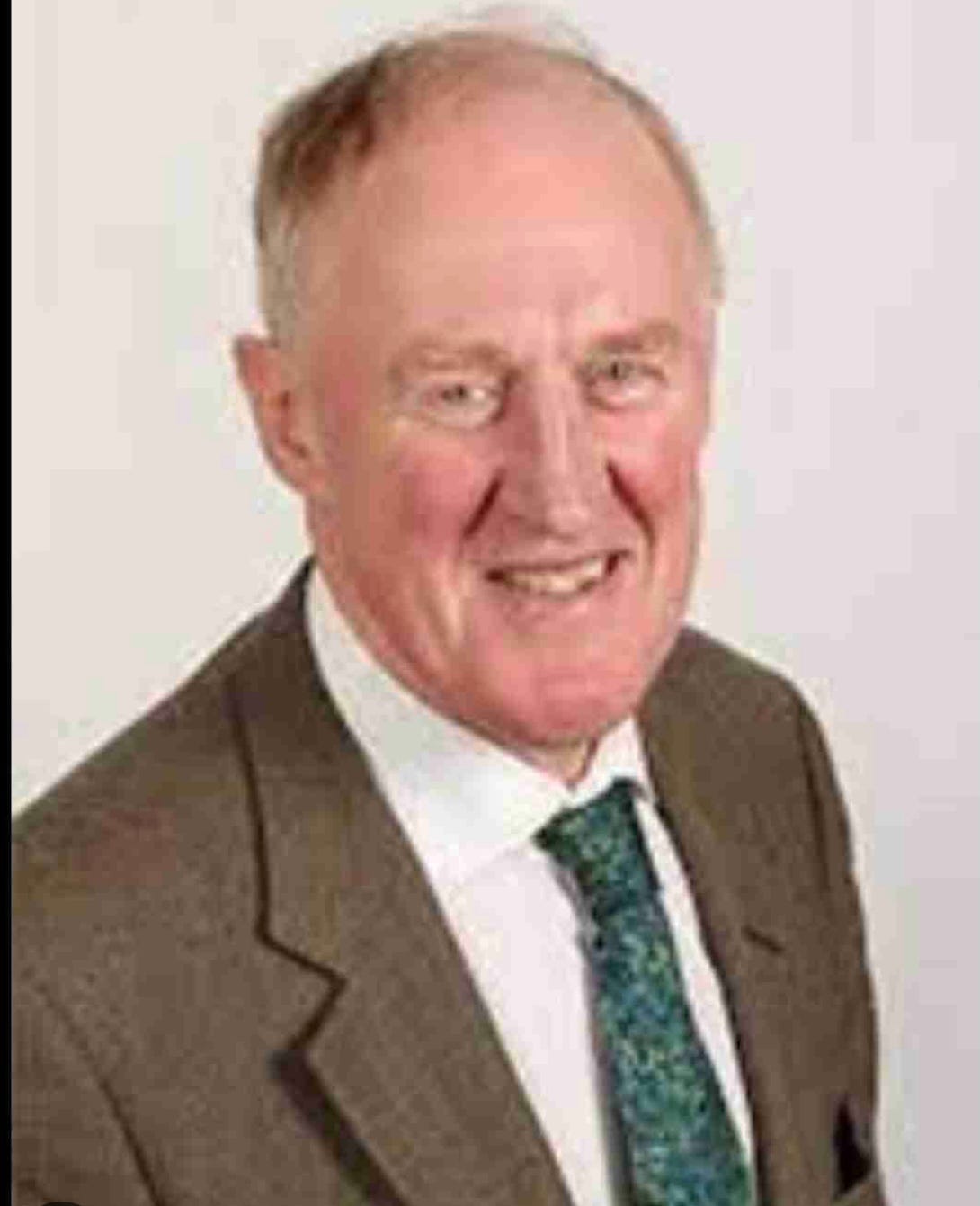
This article told the story of Dr. Martin Feeley, a man who had already lived an extraordinary life before becoming a reluctant public dissenter during one of the most charged periods in Irish history. 

A vascular surgeon by training, Martin Feeley was also an Olympian, representing Ireland in rowing at the 1976 Summer Games. Born in Lecarrow, County Roscommon in 1950, he qualified from UCD in medicine and later became a Fellow of the Royal College of Surgeons in Ireland. In 1985, he earned a Master’s in surgery, and by 2015, he had been appointed Group Clinical Director of the Dublin Midlands Hospital Group, one of the most senior medical administrative roles in Ireland’s Health Service Executive (HSE.)

By any measure, Dr. Martin Feeley was an exceptional person, not just accomplished, but genuinely liked and respected by his colleagues, patients, friends, and everyone who knew him through the Irish rowing community. He was known and loved not just for his clinical expertise, but also for his warmth, integrity, intelligence and humour. Those who worked alongside him described a kind, principled man, generous with his time, supportive of younger colleagues, and unwilling to play politics with the truth.

A sample few of the many heartfelt tributes left in the Condolence Book on RIP.ie following Dr. Feeley’s death in December 2023, read:

I had the privilege to work with Mr Feeley in AMNCH and that made all the difference to me. He exemplified integrity, empathy and good sense. Authentic, kind and encouraging, a Colossus amongst men and medics. And always brilliantly funny.”

A decent man, a great teacher, much respected.”

A patient shares:

Thank you Mr. Feeley for saving my life in 2013. Fly high with the Lord. RIP.”

What stands out in the many tributes is how deeply admired he was, not just for his medical expertise, but for his warmth, kindness and humour and the deep impression he left on those who worked with him. Again and again, the tributes spoke of his decency and integrity.

And yet, when it really mattered, during a period in Irish life when decency and integrity were needed most, it was precisely those qualities that cost Dr. Feeley his job.

During the Covid-19 pandemic, Dr. Feeley raised a profoundly important question, one that has aged far better than the policies it challenged: Was the State’s response proportionate to the actual risk faced by the population, particularly children and young adults?

Dr. Feeley did not deny the virus or downplay the risks. He simply raised a measured, evidence-based concern, which was that the restrictions being imposed were doing real and lasting harm. Drawing on clinical experience and moral clarity, he warned of the damage being done, especially to children and young people, through shuttered schools and colleges, cancelled sports, and the loss of everyday human connection. He believed that those at low risk could, in time, build natural immunity, helping to reduce the danger to the most vulnerable.

His critique wasn’t vague or emotional. It was specific, well-informed, and in hindsight, remarkably prescient. Among the key points he raised:

  • Restrictions should have focused on those most at risk, not applied as blanket rules to everyone. Healthy younger people, he argued, could have built immunity more safely, helping society reopen sooner and more fairly.
  • He condemned the government’s communication strategy, especially the daily case counts, calling them a form of “deliberate, unforgivable terrorising of the population.”
  • His concerns were later echoed by others, including former HSE infection control chief Professor Martin Cormican who suggested that Dr. Feeley wasn’t alone in his thinking, just in his willingness to say it out loud.
  • He examined ICU projections and found they didn’t match the alarmist tone of official briefings. On the ground, he was seeing only a handful of Covid patients in intensive care, far fewer than the public had been led to expect.
  • He urged staff to keep perspective, pointing out that statistically, a healthy person under 65 was more likely to be injured cycling than to die of Covid.
  • He objected to the new definition of a “case,” expanded to include any positive test result, even in people with no symptoms, a shift that he believed inflated fear and distorted the public understanding of risk.

And Dr. Feeley never backed down. If anything, he felt that the passing of time only confirmed the accuracy and necessity of what he said.

From the very early days of the pandemic, Dr. Feeley spoke with a compassion and honesty that few public health figures dared to match. In an article written in October 2020 for the Irish Times, written as Ireland entered a second lockdown, he captured the human cost in a single, unforgettable sentence:

Life is not a video game which we can freeze-frame and restart when a vaccine arrives. All living is being suspended, but unfortunately all lifetime is passing, even for those with six months or a year to live, with or without Covid-19.

This line, “Life is not a video game which we can freeze-frame and restart when a vaccine arrives” gets to the heart of the problem with lockdown thinking. Real life cannot be paused. Time moves forward inevitably, especially for those who are elderly, ill, or nearing the end of life. 

And it’s not only the old people who have lost something. For young people, too, there are moments in life, rites of passage, milestones, celebrations, that happen once and cannot be relived or recreated. Birthdays, graduations, first jobs, leaving school, falling in love, saying goodbye. These are not things you can reschedule. That time was taken from our young people, and it can never be given back.

Dr. Feeley’s point was that by trying to preserve life at all costs, we ended up suspending the very things that made life worth living; human connection, care, life experiences, and milestones. When he said “all life time is passing even for those with six months or a year to live,” it was a stark reminder that waiting for a vaccine wasn’t just a pause for some, it was a loss they would never get back. It challenged the technocratic idea that society could be put on hold without consequence, and called for a more humane, proportionate approach, one that saw people not as data points but as human beings living in real time.

And yet, for speaking so clearly and ethically, he was punished.

In September 2020, Dr. Feeley was forced to resign from his role as Clinical Director of the Dublin Midlands Hospital Group under pressure from the HSE following a series of media interviews. In that April 2023 article from the Irish Times, Dr. Feeley is quoted as saying that “within days” of airing his objections to the restrictions he was removed from his position. He specifically stated: 

I was forced to resign as opposed to just walking away.” 

He attributed responsibility for his exit to the former HSE Chief Executive Paul Reid, although Reid denied involvement. 

He was further quoted in that article of having said about his decision to speak publicly against the lockdowns from inside the HSE:

The only stupid thing I did,” he said, “was to say what I thought. I should have kept my mouth shut.” 

Those words should shame us. Because they don’t just reflect one man’s bitter experience; they reflect a sick and dishonest culture. A culture that punished integrity and rewarded compliance, and where the cost of speaking truth was professional exile. In Dr. Feeley’s case, the silence of Irish medicine was not only deafening; it was shamefully complicit.

Following Dr. Feeley’s death in 2023, tributes poured in across social media. Colleagues, former patients, independent politicians, and members of the public remembered him not just as a brilliant surgeon, but as a man of deep principle and uncommon courage. Independent TD Michael McNamara called him “a doctor unafraid to question the consensus.” Another tribute read: “If only we had more men like him in this country. We lost a good one. RIP Dr Feeley.” One especially searing comment captured the public mood: “This poor man was shunned…by the HSE…for challenging the ‘science’ that caused untold damage…RIP.”

These aren’t just empty or generic eulogies; they’re heartfelt tributes from people who understood and valued what he stood for.

At this stage in the game, five years on from that bleak chapter, I shouldn’t be surprised by the Irish establishment’s failure to learn anything meaningful from all of this, and yet somehow I still am. Despite everything we’ve seen and lived through, I remain both astonished and disheartened by how little reflection or change seems to have taken place.

Not only has the Irish state failed to reckon with the silencing of Dr Martin Feeley and others like him, it now appears poised to reward the chief architect of the very policies they dared to question. Dr Tony Holohan, who served as chair of the National Public Health Emergency Team (NPHET) during the pandemic and was widely seen as the public face of Ireland’s Covid response, is now reportedly being considered for the highest office in the land, the Irish Presidency. 

Often described as Ireland’s answer to Dr Anthony Fauci, Dr. Holohan became synonymous with the government’s lockdown policies. Under Dr. Holohan’s watch, Ireland implemented one of the strictest lockdown regimes in the EU, including the longest closure of public venues across Europe. On a global level, Ireland had the fourth most stringent lockdown in the world, behind only Cuba, Eritrea and Honduras. 

Whether or not this presidential bid ultimately materialises, the very suggestion that Dr. Holohan could be a contender for the most prestigious office in the state is a striking example of the Irish establishment doubling down on steroids. Rather than reassess, Ireland appears intent on enshrining its mistakes.

To elevate Dr. Holohan now is to consecrate a version of history in which men like Dr. Feeley were cast as dangerous and disposable, and those who imposed sweeping harms on the Irish population are hailed as statesmen. It sends a chilling message that in Ireland, telling the truth as you see it, even from a place of expertise, ethics, and professional integrity, is punishable. That the architect of Ireland’s extreme lockdowns, a man who dictated when we could hug our loved ones, is now being considered for the Irish presidency is not only shocking but morally obscene. 

In fact, were he still with us today, Dr Martin Feely is exactly the sort of person the Irish people should have elected as their President, being someone who truly stood for the people of Ireland. He did his utmost, against all odds, to advocate for their rights and to stand firm against the harms he knew were being inflicted upon them.

Dr. Feeley’s voice may be silent now, but what he stood for must continue to be heard. He spoke with reason, compassion, and integrity in a time of hysteria and institutional cowardice. He recognised the true human cost, not just in lives lost, but in lives unravelling, in relationships strained or severed, in connections broken, and in communities turning on themselves. 

Dr Feely understood that this harm was not abstract but deeply personal and that it fell heaviest on those least equipped to bear it, those children and young people whose milestones were stolen, the elderly who were isolated and forgotten, and the already marginalised who were pushed further to the edges of society.

To honour him now is to face what we did, not in blame, but in truth. We must reject the whitewashing of history that elevates bureaucrats and silences decent and honest people. We have to ensure that in any future crisis, conscience will not be a sackable offence.

We lost Dr. Feeley too soon, and with him, a voice the Irish people sorely needed. I would have loved the chance to meet him, shake his hand, and thank him for speaking up for all of us, for humanity, and for decency. I wish I could have told him that in person. Still, I write it now in the hope that someone, somewhere might read about this remarkable man and find courage and inspiration in his example. 

Martin, may you rest in peace. You were one of the good ones. You stood for what was right when it mattered most. We remember you with gratitude, respect and love.

Republished from the author’s Substack


Published under a Creative Commons Attribution 4.0 International License
For reprints, please set the canonical link back to the original Brownstone Institute Article and Author.

Author

  • Trish Dennis

    Trish Dennis is a lawyer, writer, and mother of five based in Northern Ireland. Her work explores how lockdowns, institutional failures, and social divides during Covid reshaped her worldview, faith, and understanding of freedom. On her Substack, Trish writes to record the real costs of pandemic policies, honour the courage of those who spoke out, and search for meaning in a changed world. You can find her at trishdennis.substack.com.

------------------------------
Source

https://brownstone.org/articles/the-price-of-speaking-truth/

Saturday, August 9, 2025

What They Don’t Tell You About Autoimmune Disorders

What They Don’t Tell You About Autoimmune Disorders

and the dangers of conventional rheumatologic approaches to disease

•Treating illnesses by suppressing symptoms frequently precipitates far more severe diseases which have rippled out throughout our society.

•The primary management for most autoimmune conditions is through symptom suppressing drugs, which frequently have significant toxicity.

•In most cases, autoimmune disorders and inflammatory joint conditions have an underlying cause, such as a chronic undiagnosed stealth infection or food allergy, which when addressed significantly improve the condition.

•Many factors in life that we can control and do not require prescriptions to address (e.g., diet, stress or sleep) directly contribute to autoimmunity and, when addressed, improve it.

•This article will review some of the key steps which can be taken to improve autoimmune disorders and reduce one’s reliance upon toxic medications.

Autoimmune conditions have become one of the most common and stubborn health challenges of our time. While conventional medicine often treats them as mysterious immune system malfunctions—managed primarily with harmful steroids and other immunosuppressants —there’s increasing evidence that many of these diseases are not random. Rather, they’re signals of deeper dysfunctions in the body—many of which are tied to the modern lifestyle we've come to accept as normal.

The Forgotten Side of Medicine is a reader-supported publication. To receive new posts and support my work, consider becoming a free or paid subscriber. To see how others have benefitted from this newsletter and its community, click here!

Lifestyle Contributions to Autoimmunity

Many things in our lives that we have control over significantly affect our predisposition to autoimmunity:

Sleep—I have previously written about the profound importance of sleep and how many different illnesses are linked to poor sleep. In practice, we frequently find that patients with autoimmune conditions also have disrupted sleep cycles, and these improve once that is addressed (e.g., by improving sleep hygiene and avoiding blue light).
Note: the treatments for sleeping issues like insomnia are discussed further here.

Sunlight—Since the sun has no commercial lobby to advocate for it, the medical field demonizes sunlight as a cause of cancer despite a deficiency of the sun and sunlight being tied to a wide range of medical conditions (including cancers) and making individuals 60% more likely to die. A loss of sunlight exposure is also tied to many autoimmune conditions (e.g., multiple sclerosis). As such, we frequently find autoimmune patients improve from resuming healthy sunlight exposures (likewise, I suspect this partly explains why ultraviolet blood irradiation benefits so many different autoimmune conditions).
Note: appropriate sunlight exposure (e.g., going outside early in the morning and having the sunlight touch your face without being obstructed by glass) is also very helpful for reestablishing the circadian rhythm and restoring healthy sleep.

Exercise—Many of the benefits of exercise arise from the fluid circulation it creates in the body (as fluid stagnation underlies many illnesses—many of which we suffer from due to our sedentary lifestyle. This perspective in turn, is corroborated by the Chinese Medical viewpoint that blood stasis causes autoimmunity and that either treating blood stasis or zeta potential (which underlies both microclotting and lymphatic stagnation) frequently improves autoimmune conditions.
Note: exercise and eliminating fluid stagnation frequently improve insomnia. Likewise, sunlight exposure is a critical driver of fluid circulation throughout the body, all of which illustrates how intertwined many of the key lifestyle factors we routinely ignore are to our health.

Diet—Food allergens such as wheat, dairy, and nightshades frequently contribute to autoimmune conditions (particularly arthritis), and many have found food elimination diets that identify the reactive allergen to improve their condition significantly. Additionally, in many cases, allergies arise from deficient stomach acid, as without sufficient stomach acid, proteins are often not fully broken down (allowing intact allergens to enter circulation) and triggers acid reflux (due to top of the stomach only closing when sufficient stomach acid is present), which then irritates the lungs.
Note: many of the issues with gluten (e.g., autoimmunity or weight gain) are not experienced in countries like Italy that use more natural forms of wheat.

Stress—is well known to predispose one to autoimmune disorders and flares (e.g., 80% of autoimmune patients report an unusually stressful situation prior to their disease onset, while stress disorders increased the risk of autoimmune disorders by 46%-129%).
Note: some patients will not respond to a rheumatologic drug, until they eliminate the stress in their lives.

The Global Loss of Vitality

If you review the early history of medicine, it is striking:

•How profoundly damaging many of the early western medical remedies were (e.g., the smallpox vaccine or mercury).

•How much healthier people were and how much more effective many natural therapies were in the past than they are now.

This second point prompted me to ask older doctors (from various medical schools) if they had observed a general decline in human vitality in the patients they saw at the start of their careers compared to the end, and all of them shared that they had. Additionally:

•They noted that beyond patients becoming much sicker and having conditions they’d never seen before, it was also much harder to treat them as each therapy they used had shifted from making a dramatic improvement to a more minuscule one, which required numerous successive treatments to bring about an improvement.

•They typically attributed this shift to a loss in human vitality. They cited a variety of correlates (e.g., the average human body temperature dropping, people becoming less able to mount fevers, infants being less able to produce a brisk cry, or increasing degrees of fluid stagnation in their patients).

Note: typically this decline in vitality proceeds in a linear fashion and then spikes at certain times (e.g., after the introduction of the smallpox vaccine, the 1986 law which granted immunity to vaccine manufacturers and led to a rapid proliferation in the vaccine schedule, and after the COVID vaccines). In each case, this increase in disease gets normalized and forgotten by the next generation of doctors (who entered practice after the last wave of sickness had become the “new normal”).

Likewise, many datasets corroborate this steady decreasing vitality in humanity over the decades (e.g., we’ve witnessed a continual increase in autoimmune disorders). Having extensively explored this topic, we believe much of it is due to modern technology (e.g., vaccines, chronic chemical exposures or heavy metal toxicity, dentistry and surgical scars, EMFs, and widespread circadian rhythm disruption). Many of these, in turn, share a common thread—creating fluid stagnation throughout the body.

Note: After thousands of years, around 1830, blood stasis suddenly came to be viewed as a primary cause of disease in Chinese Medicine, which occurred shortly after the smallpox vaccine (which caused many severe injuries resembling blood stasis), which was introduced in China in 1805.

Systemic Suppression

One of the central criticisms of Allopathic (Western) medicine by natural schools of medicine has been that anytime an external agent is used to forcefully change a process which is unfolding within the body (rather than aiding the body’s ability to resolve it) you run the risk of a minor temporary issue being exchanged for a severe chronic one—especially when this is repeatedly done throughout the course of someone’s life. In some cases, this risk is very justified (e.g., in a life-threatening emergency or with a relatively safe drug that has limited long-term complications). At the same time however, a general unwillingness to acknowledge this issue pervades Allopathic medicine.

I’ve thus never forgotten a conference in the 1970s at which one of the world’s leading homeopaths convened a panel to discuss the likely consequences of modern medicine routinely suppressing symptoms (e.g., aggressively using fever suppressing medications or preventing childhood febrile illnesses with vaccination).
Note: studies have repeatedly linked preventing measles, mumps, and chickenpox to severe cancers later in life.

At that conference, building upon the recent mass introduction of suppressive steroids, they correctly predicted that if this suppression continued to increased, in the decades to follow:

•We would see a global shift from less severe illnesses to more severe ones.

•That this suppression would cause physical illnesses to be pushed deeper into the body and be replaced with psychiatric illnesses, and in time spiritual ones (particularly when the psychiatric illnesses were also suppressed with medications)—all of which would dovetail with people being willing to do crazier and crazier things.

Now, everyone has gradually become habituated to patients “just being” sicker and sicker, and that not much can be done about it.

Suppressive Antibiotics

While steroids are one of the medications most associated with “suppressing” illness, many others are too. For example, for years, many natural medicine practitioners (e.g., homeopaths) also told me they’d frequently seen antibiotics “treat” an acute infection but turn it into a chronic one. I wasn’t sure what to make of this (as microbiome disruption could partially but not fully explain it), then I discovered something similar existed in Chinese Medicine:

The concept of Latent Heat is very old in Chinese medicine, having been mentioned for the first time in the ‘Yellow Emperor’s Classic of Internal Medicine’. Latent Heat occurs when an external pathogenic factor penetrates the body without causing apparent symptoms at the time; the pathogenic factor penetrates into the Interior, and ‘incubates’ there, turning into interior Heat. This Heat later emerges with acute symptoms of Heat: when it emerges, it is called Latent Heat.

Note: in modern Chinese Medicine, antibiotics and vaccines are now proposed as sources of latent heat.

Much later, when I read Cell Wall Deficient Forms: Stealth Pathogens all of this finally made sense. This book argued that when bacteria are exposed to lethal stressors, particularly cell wall destroying antibiotics, while most will die, some will instead enter a primitive survival mode and transform into misshapen cell wall deficient (CWD) “mycoplasma like” bacteria which can radically change their size or morphology (and hence look very different). While these bacteria are hard to detect (and when seen, due to no one knowing they “exist,” are often mistaken for cellular debris and ignored), with the correct techniques they can be detected. In turn, the book provides a wealth of evidence that CWD bacteria:

•Are found within many “aseptic” tissues undergoing an autoimmune attack, with specific CWD bacteria associated with many different autoimmune disorders which have no known cause.

•Once the environment is “safe” can transform back into their normal form and cause a sudden recurrence of an infection—suggesting chronic infections are due to antibiotics creating a dormant CWD population rather than continual reinfection.

Note: many popular alternative schools of medicine (e.g., those of RifeNaessens, and Enderlein) came from microscopes which could directly observe these pleomorphic bacteria continually shifting into new morphologies, and that diseases states (e.g., cancer) correlated to specific morphologies, while other morphologies resulted in a symbiotic state of health. Since the morphologies adopted correlated with the internal state of the body, this gave rise to the belief that treatments should aim to create “healthy terrains” within the body, which would give rise to non-pathogenic forms of the bacteria rather than antibiotics that provoked pathogen transformation.

Addressing Autoimmune Diseases

When autoimmune disorders are treated in conventional practice, we feel five errors repeatedly occur:

1. Frequently, autoimmune disorders have a cause (e.g., a chronic infection) that goes unrecognized, resulting in powerful immune-suppressing drugs being used instead, while the underlying issue progresses.

2. In many cases, lifestyle factors significantly exacerbate autoimmune conditions. If these factors were focused on, the symptoms of the autoimmune condition would significantly reduce, and the amount of medication required to manage the condition in tandem would as well.

3. Those lifestyle factors (e.g., diet) can also prevent conventional treatments from working. Because of that, in many cases where a medication that “should work” but does not, focusing on the unaddressed lifestyle factors for a patient is often what’s needed for a remission. Unfortunately, in those instances, rather than the doctor taking a step back and asking, “What am I missing here,” the reflex often is to simply give more immune-suppressing medications. In short, if a patient has been on multiple potent rheumatologic drugs, something important was most likely missed.

4. As many of the safer autoimmune drugs with the best risk to benefit ratio are relatively new, most doctors in practice are not aware they exist (e.g., that side-effect free alternatives to methotrexate exist) or that they can be used to treat many challenging issues in rheumatology (e.g., corticosteroid pills suppressing endogenous steroid production or large rheumatoid nodules). As such, drugs that should not be used for extended periods (e.g., steroids and NSAIDs) are instead frequently the mainstay of treatment.
Note: in some cases (e.g., for a dangerous and rapidly progressing autoimmune disease or in instances where it is not feasible for a patient to implement a natural treatment plan), immune-suppressing medications, even with their side effects, are necessary.

5. Many highly effective non-standard treatments for autoimmune conditions remain fairly unknown despite extensive scientific evidence demonstrating their efficacy (e.g., ultraviolet blood irradiation or DMSO). Likewise, since there are so many natural therapies for autoimmune conditions, it’s often so difficult to sort out which work that they all get cast under the same umbrella and ignored.
Note: many of those therapies are both anti-inflammatory and highly effective at treating mycoplasma bacteria.

Because of these issues, the management of autoimmune conditions remains less than satisfactory for many patients—which is particularly unfortunate given that these conditions are becoming increasingly common (e.g., extensive evidence ties increasing vaccination to autoimmunity).

Conclusion

Since our medical system focuses on treating isolated symptoms with patentable pharmaceuticals rather than attempting to identify the root cause of a permanent illness, patients suffer, particularly those with chronic disorders. In this regard, autoimmune diseases are particularly unfortunate as they force patients to choose between having a debilitating and sometimes fatal illness or a lifetime of fairly toxic immune-suppressing drugs (e.g., steroids have a wide range of severe side effects, particularly when used systemically for a prolonged period).

But here’s the hopeful part: when we start looking at the body as a whole system and work to restore its natural balance—whether through better sleep, movement, diet, or managing stress—people often feel dramatically better. Healing isn’t always fast or easy, but it’s absolutely possible when we stop chasing symptoms and start supporting the body’s own wisdom. Likewise, while very little focus is given in mainstream medicine for producing safe treatments for autoimmunity or arthritis, many natural treatments have been developed (such as DMSO) which no longer force patients to accept a lifetime of toxic therapies to survive and be free of pain.

Author's note: This is an abridged version of a longer article which goes into more detail on the safest natural and conventional treatments for autoimmune disorders and musculoskeletal disorders like arthritis, the dangers of steroids and the ways to safely utilize or withdraw from steroids. That article can be read here.

-------------------------------

Source

https://www.midwesterndoctor.com/p/what-they-dont-tell-you-about-autoimmune

The Forgotten Side of Medicine is a reader-supported publication. To receive new posts and support my work, consider please becoming a free or paid subscriber.


New mRNA Flu Vaccine Produced Much Higher Rates of Adverse Reactions Than Standard Shot

New mRNA Flu Vaccine Produced Much Higher Rates of Adverse Reactions Than Standard Shot John Campbell, Ph.D., said Moderna’s clinical trial ...